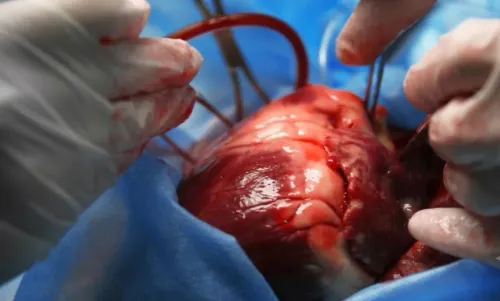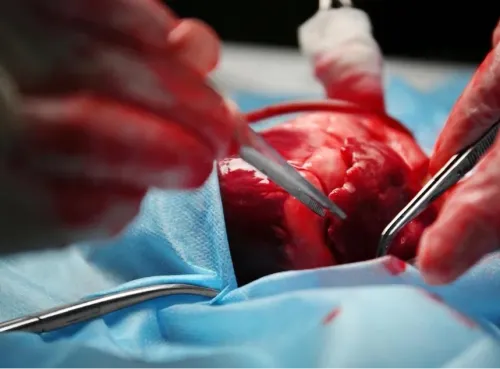

Coronary artery bypass grafting is performed to improve blood supply to heart muscle when significant coronary artery narrowing makes surgical revascularisation appropriate. Beating Heart Bypass Surgery in Nagpur refers to coronary bypass surgery performed while the heart continues beating during graft construction.
The technique is commonly described as off-pump coronary artery bypass surgery.
What Happens During Beating Heart Bypass Surgery?
In conventional coronary bypass surgery, cardiopulmonary bypass may be used to support circulation while the surgeon performs the grafting procedure.
During beating heart bypass surgery, the operation is performed without routinely stopping the heart for graft construction. Specialised stabilisation techniques allow the surgeon to work on a targeted section of the beating heart.
Blood vessels used as grafts create new pathways around significantly narrowed coronary arteries.
Why Might This Technique Be Considered?
Off-pump surgery can be useful in appropriately selected patients. The decision depends on coronary anatomy, number plus location of vessels requiring grafting, surgeon assessment, overall patient condition.
The technique is not selected merely because it sounds less invasive. The central objective is effective myocardial revascularisation.
Who May Be Evaluated for the Procedure?
Patients with significant coronary artery disease may be assessed for bypass surgery when clinical findings suggest that surgical revascularisation is appropriate.
Evaluation commonly considers
- Coronary angiography findings
- Number of diseased vessels
- Location of blockages
- Heart pumping function
- Previous cardiac procedures
- Diabetes
- Kidney function
- Lung health
- General surgical risk
The operating strategy is then tailored to the patient's anatomy plus clinical needs.
Is Beating Heart Surgery the Same as Small-Incision Surgery?
No. These terms describe different aspects of cardiac surgery.
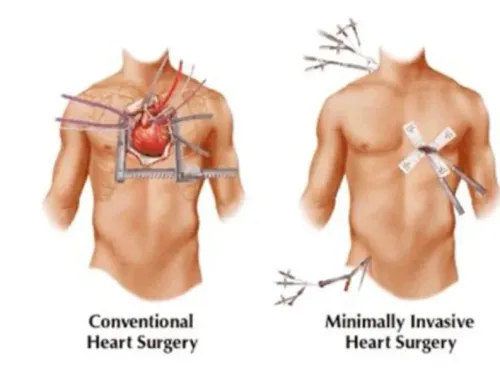
Beating heart describes how the heart is managed during grafting. Small incision describes the surgical access route.
An operation can use an off-pump technique without necessarily being performed through a small incision.
Understanding this distinction helps patients interpret surgical terminology accurately.
Preparation Before Bypass Surgery
Preoperative assessment may include blood tests, chest imaging, ECG, echocardiography, review of coronary angiography, anaesthesia evaluation.
Medication instructions are particularly important. Patients should not stop prescribed cardiac medicines, blood thinners, diabetes medicines without guidance from their treating team.
Smoking status, blood sugar, blood pressure, respiratory health can also influence preparation.
Recovery Is a Process
After surgery, patients require monitoring followed by progressive mobilisation.
Recovery can involve breathing exercises, wound care, gradual walking, nutritional guidance, medication management, cardiac rehabilitation where appropriate.
Long-term treatment remains important because bypass surgery improves blood flow but does not eliminate the underlying tendency toward atherosclerosis.
Control of cholesterol, diabetes, hypertension, tobacco exposure, physical inactivity remains central to secondary prevention.
Beating Heart Bypass Care in Nagpur
Patients considering Beating Heart Bypass Surgery in Nagpur should seek assessment from a cardiac surgical team experienced in coronary revascularisation.
At Dr K G Deshpande Memorial Centre, cardiac surgical evaluation can help determine whether bypass surgery is required plus which operative strategy fits the individual patient's condition.
The most important question is not simply whether the heart can remain beating during surgery. Patients should understand whether the proposed technique can achieve the required grafting safely, effectively, comprehensively for their coronary anatomy.
Keywords