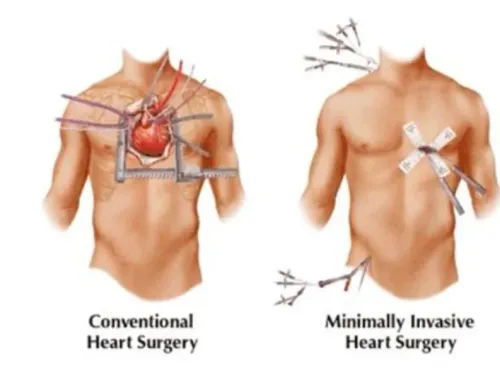


Patients researching bypass surgery frequently encounter the term OPCAB. OPCAB in Nagpur refers to off-pump coronary artery bypass surgery, a technique in which coronary grafting is performed while the heart continues beating without routine use of cardiopulmonary bypass for graft construction.
Understanding what the technique means can help patients ask more useful questions before surgery.
What Does OPCAB Actually Mean?
OPCAB stands for off-pump coronary artery bypass.
During the procedure, the surgeon creates bypass grafts to improve blood flow around significantly narrowed coronary arteries. Specialised equipment can stabilise the area where the graft is being attached while the remainder of the heart continues functioning.
OPCAB describes the operative technique. It does not determine how many grafts a patient requires.
Question 1 Why Is Bypass Surgery Recommended?
Before discussing the surgical technique, understand why CABG itself is being considered.
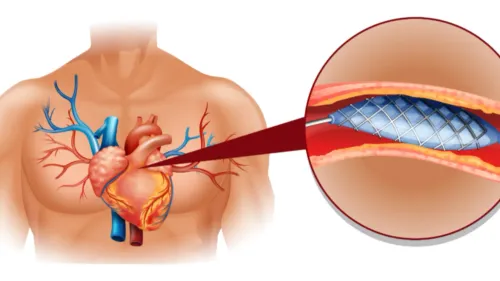
Ask the cardiac team to explain your coronary angiography. Find out which arteries have significant disease, how extensive the disease is, what treatment goal surgery is expected to achieve.
This creates a clearer foundation for discussing OPCAB.
Question 2 Why Is an Off-Pump Technique Suitable for Me?
Technique selection should be based on individual clinical factors.
The surgeon may assess coronary anatomy, target vessels, heart function, age, associated medical conditions, previous procedures.
Ask what specific features make OPCAB suitable in your case.
Question 3 How Will the Grafts Be Assessed?
Patients can ask how the surgical team evaluates graft function during the operation.
Different cardiac surgical settings may use various methods of intraoperative assessment depending on the procedure plus available facilities.
The important point is understanding how the team confirms that the intended revascularisation has been achieved.
Question 4 What Happens If the Operative Plan Changes?
Surgery requires clinical judgement in real time.
Ask whether circumstances encountered during the procedure could require a change in strategy. Understanding this possibility before surgery helps patients avoid viewing an intraoperative change as automatically representing a complication.
Sometimes changing the approach is part of making the safest clinical decision.
Question 5 What Will Recovery Involve?
Ask about intensive care monitoring, expected hospital stay, pain management, wound care, walking, breathing exercises, return to routine activity.
Recovery varies with age, general health, complexity of surgery, postoperative progress.
Question 6 What Happens After Successful Bypass Surgery?
CABG does not remove the underlying tendency toward coronary atherosclerosis.
Long-term care may include prescribed medication, cholesterol management, blood pressure control, diabetes management, tobacco cessation, physical activity, dietary modification, cardiac rehabilitation.
Follow-up is therefore an important part of the treatment.
OPCAB Evaluation in Nagpur
Patients considering OPCAB in Nagpur can benefit from discussing their angiography plus complete medical history with a cardiac surgeon.
Dr K G Deshpande Memorial Centre provides cardiac surgical services for patients requiring assessment for coronary revascularisation.
Rather than choosing a procedure based on its name, patients should understand why the technique fits their anatomy, what the operation aims to accomplish, how results are assessed, what recovery requires.
That information creates a much stronger basis for informed consent plus realistic expectations.