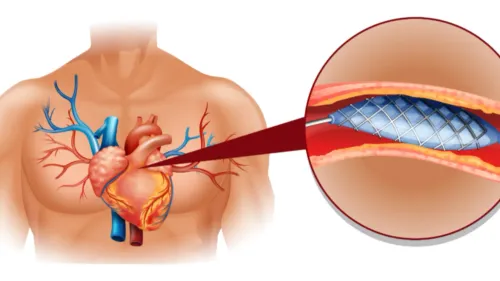

Heart valve disease can remain stable for a period before symptoms become more noticeable. When valve narrowing, leakage becomes significant, patients may need specialist evaluation to determine whether intervention should be considered.
A consultation for Valve Surgery in Nagpur focuses on the type of valve problem, severity, symptoms, effect on heart function, suitability for available treatment approaches.
Understanding Heart Valve Disease
The heart contains four valves that help blood move in the correct direction.
Valve disease generally involves two major functional problems.
Stenosis occurs when a valve becomes narrowed, restricting blood flow.
Regurgitation occurs when a valve does not close adequately, allowing blood to leak backward.
Some patients can have mixed valve disease.
Symptoms That Deserve Attention
Valve disease can produce
- Breathlessness
- Reduced exercise tolerance
- Unusual fatigue
- Palpitations
- Chest discomfort
- Dizziness
- Fainting
- Swelling in the feet
- Difficulty performing previously comfortable activities
Symptoms alone cannot determine severity. Echocardiography is particularly important for assessing valve structure plus function.
When Is Surgery Considered?
Not every valve problem requires immediate surgery.
Mild disease may only need scheduled follow-up. More significant disease may require closer monitoring.
Surgical assessment can become relevant when the valve abnormality is severe, symptoms are significant, heart function is being affected, other clinical criteria suggest that intervention may be beneficial.
Timing matters because waiting until advanced heart dysfunction develops can affect treatment complexity plus recovery.
Valve Repair Plus Replacement
Depending on the affected valve plus its structure, surgeons may consider valve repair in suitable cases.
When repair is not appropriate, valve replacement may be required.
Replacement options can differ according to age, valve position, medical history, expected durability, medication considerations, lifestyle factors.
Patients should discuss the reasoning behind the recommended option rather than selecting a valve based solely on general information found online.
Preparing for Valve Surgery
Preoperative evaluation may involve echocardiography, ECG, blood investigations, coronary assessment when indicated, chest imaging, anaesthesia review.
Existing dental infection may also be relevant before certain valve procedures, making preoperative instructions important.
Patients should provide a complete medication list plus details of previous medical procedures.
Questions for the Surgeon
Before proceeding, understand
- Which valve is affected?
- How severe is the disease?
- Why is intervention recommended now?
- Is repair technically feasible?
- What type of replacement is being considered?
- What follow-up will be required?
- What will recovery involve?
These questions help transform a technical diagnosis into an understandable treatment plan.
Valve Surgery Services in Nagpur
Patients seeking Valve Surgery in Nagpur should choose a cardiac surgical service capable of evaluating the valve problem within the context of overall heart health.
Dr K G Deshpande Memorial Centre provides cardiology plus cardiothoracic surgical care for patients in Nagpur, Maharashtra.
The readiness indicator for a surgical consultation is not simply the presence of a murmur. Significant symptoms, documented severe valve disease, changes in heart function, specialist referral are stronger reasons to seek detailed assessment.
Keywords