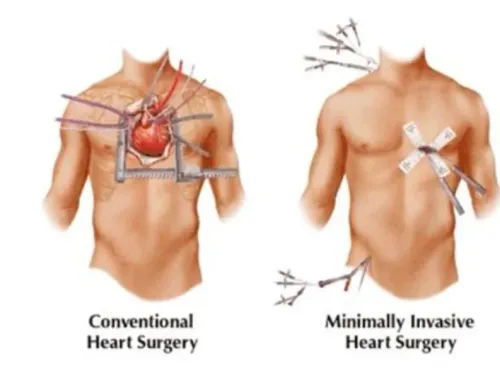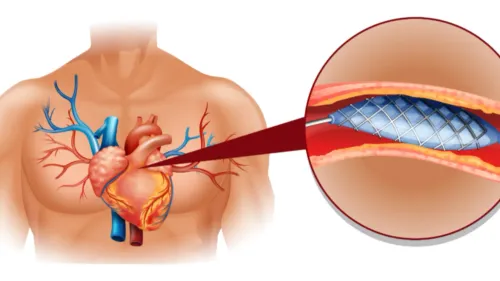

Congenital heart defects can affect babies in very different ways. Some abnormalities cause few symptoms initially, while others interfere with feeding, growth, oxygen levels or normal circulation.
When an operation is required during the first year of life, careful planning is essential. Infant Cardiac Surgery is not based simply on the baby's age. The timing and type of procedure depend primarily on the heart defect, its physiological effects and the child's overall condition.
Symptoms That May Lead to Cardiac Evaluation
Babies cannot describe symptoms, so parents and doctors rely on physical signs.
Possible signs that can occur with significant congenital heart disease include:
- Rapid breathing
- Difficulty feeding
- Sweating during feeds
- Poor weight gain
- Bluish lips or skin
- Unusual tiredness during feeding
- Recurrent respiratory concerns
These symptoms are not specific to heart disease. A pediatric or cardiac assessment is needed to identify the cause.
Echocardiography Helps Define the Anatomy
An echocardiogram uses ultrasound to show the heart's structures and blood flow.
It can help doctors understand the location and significance of a congenital defect, including abnormalities involving chambers, valves or major blood vessels.
Some infants require additional investigations when more anatomical or physiological information is needed.
The surgeon reviews the relevant findings before recommending a treatment strategy.
How Doctors Decide When to Operate
Timing is one of the most important questions parents ask.
Some defects need early treatment because they significantly affect circulation or oxygen delivery. Other operations may be planned after the baby has grown.
Doctors consider factors including:
- Type of congenital defect
- Severity of symptoms
- Oxygen saturation
- Heart function
- Growth
- Feeding
- Pulmonary blood flow
- Associated medical problems
The goal is to choose an appropriate treatment window based on the individual child.
What Happens Before Surgery
Before Infant Cardiac Surgery, parents receive instructions about admission, feeding, fasting and medicines.
The clinical team may perform blood tests and additional investigations. The infant is also assessed for any illness that could influence anaesthesia or surgery.
Parents should disclose all medicines and recent symptoms.
If an infant develops fever, cough or another illness shortly before surgery, the medical team should be informed.
What to Expect After the Procedure
Immediately after major cardiac surgery, the baby may require intensive monitoring.
Parents may initially see breathing support, intravenous lines, drainage tubes and monitoring equipment. These are used according to the child's postoperative needs.
As the baby's condition improves, support is gradually reduced. Feeding is restarted according to clinical assessment, and parents are guided on care before discharge.
Feeding and Growth Remain Important
Infants with congenital heart disease can have increased nutritional requirements or difficulty feeding.
After surgery, growth and feeding may continue to require attention.
Parents should follow individualized advice regarding breast milk, formula, feeding frequency and any nutritional supplementation recommended by the pediatric team.
Follow-Up Should Not Be Missed
Congenital heart disease can require monitoring throughout childhood even after successful surgical treatment.
Follow-up may assess:
- Heart function
- Residual defects
- Valve function
- Heart rhythm
- Growth
- Exercise capacity as the child becomes older
The required schedule depends on the diagnosis and procedure.
Families seeking Infant Cardiac Surgery assessment in Nagpur should carry previous echocardiography reports and pediatric medical records to the consultation.
At Dr K G Deshpande Memorial Centre, cardiothoracic evaluation can help families understand whether surgery is indicated and what treatment pathway may be considered. For parents across Nagpur and Maharashtra, clear information about the diagnosis, timing and follow-up can make complex cardiac decisions easier to navigate.
Keywords