Discovering that a newborn has a heart condition can be overwhelming for any family. While advances in prenatal screening and neonatal care have improved early diagnosis, many parents are still unfamiliar with what happens when surgery is recommended during the first few weeks of life. Choosing a trusted Neonatal Heart Surgery Hospital and understanding the treatment process can help families feel better prepared for the journey ahead.
Newborns with congenital heart defects require highly specialised care because their hearts are still developing, and even minor changes in circulation can significantly affect their health. Successful treatment depends on timely diagnosis, experienced pediatric cardiac surgeons, specialised neonatal intensive care, and coordinated postoperative support.
What Is Neonatal Heart Surgery?
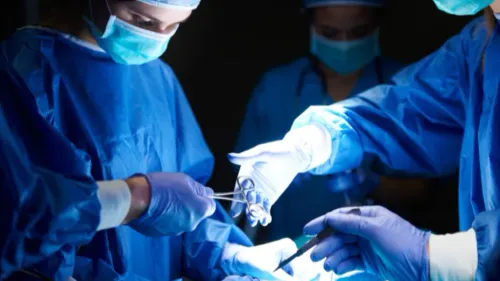
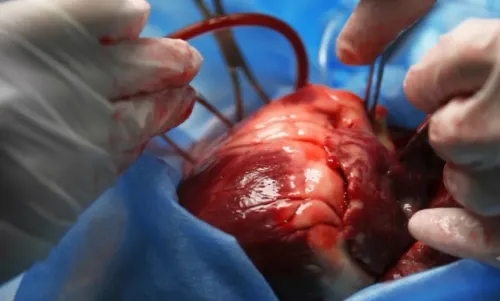
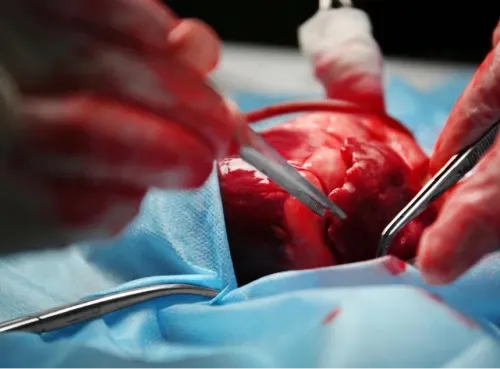
Neonatal heart surgery refers to cardiac operations performed during the first 28 days of a baby's life. These procedures are undertaken to correct structural abnormalities present at birth that interfere with normal blood circulation.
Some heart defects require immediate surgery soon after delivery, while others may be managed temporarily with medication before a planned operation. The treatment approach depends on the baby's condition, overall stability, and the type of congenital heart defect.
Every newborn is carefully assessed by a multidisciplinary team before surgery is recommended.
Conditions That May Require Neonatal Heart Surgery
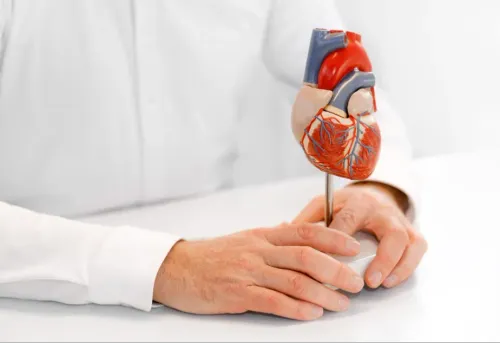
Several congenital heart defects can require early surgical intervention.
These include:
- Transposition of the Great Arteries (TGA)
- Hypoplastic Left Heart Syndrome (HLHS)
- Total Anomalous Pulmonary Venous Connection (TAPVC)
- Critical Coarctation of the Aorta
- Pulmonary Atresia
- Interrupted Aortic Arch
- Complex single-ventricle heart defects
The timing of surgery varies depending on the baby's symptoms, oxygen levels, heart function, and associated medical conditions.
Symptoms That May Be Seen in Newborns
Some congenital heart defects are detected before birth, while others become apparent after delivery.
Parents and healthcare providers may notice:
- Bluish lips or skin
- Difficulty feeding
- Rapid breathing
- Poor weight gain
- Excessive sleepiness
- Weak pulse
- Low oxygen levels
- Poor circulation
Prompt evaluation by a pediatric cardiologist is essential whenever these signs are present.
How Doctors Prepare a Baby for Surgery
Before surgery, newborns undergo a detailed evaluation to understand the heart defect and overall health.
Investigations commonly include:
- Echocardiography
- Chest X-ray
- Electrocardiogram (ECG)
- Blood investigations
- Pulse oximetry
- CT scan or cardiac MRI when required
Neonatologists, pediatric cardiologists, cardiac surgeons, anaesthesiologists, and intensive care specialists work together to determine the safest treatment strategy.
Parents are also counselled regarding the planned procedure, expected recovery, possible risks, and postoperative care.
What Happens After Surgery?
Following surgery, babies are transferred to a specialised neonatal cardiac intensive care unit for continuous monitoring.
During recovery, the medical team closely observes:
- Heart rhythm
- Blood pressure
- Oxygen levels
- Breathing
- Feeding tolerance
- Organ function
Depending on the complexity of the surgery, the hospital stay may vary from several days to a few weeks.
Parents are encouraged to participate in their baby's care as recovery progresses, helping strengthen bonding while learning how to manage care after discharge.
Recovery at Home
Once discharged, ongoing follow-up remains an important part of treatment.
Parents are advised to:
- Administer medications exactly as prescribed
- Attend scheduled cardiology appointments
- Monitor feeding and weight gain
- Watch for signs of breathing difficulty or infection
- Maintain recommended vaccination schedules
- Follow nutritional guidance provided by the healthcare team
Many babies continue to grow and develop well after successful surgery with regular medical supervision.
Choosing the Right Neonatal Heart Surgery Hospital
When selecting a hospital, parents should consider more than the availability of surgery alone.
Important features include:
- Dedicated pediatric cardiac surgeons
- Neonatal cardiac intensive care unit
- Advanced cardiac imaging facilities
- Experienced neonatal anaesthesia team
- Round-the-clock intensive care support
- Comprehensive follow-up and developmental monitoring
These specialised services contribute significantly to safer treatment and improved long-term outcomes.
Specialized Neonatal Cardiac Care in Nagpur
Families in Nagpur and across Maharashtra can now access advanced neonatal cardiac services without travelling long distances for specialised care. Hospitals equipped with modern technology and experienced multidisciplinary teams provide comprehensive diagnosis, surgery, and postoperative management for newborns with congenital heart disease.
Dr K G Deshpande Memorial Centre offers specialised neonatal cardiac care supported by pediatric cardiologists, cardiothoracic surgeons, neonatal intensive care specialists, and advanced diagnostic facilities. Every treatment plan is developed according to the baby's individual condition, ensuring personalised and evidence-based care throughout the treatment journey.
Although neonatal heart surgery can seem daunting, advances in pediatric cardiac care continue to improve outcomes for many newborns. Early diagnosis, expert surgical treatment, and consistent follow-up give babies the best opportunity for healthy growth and development.
Keywords