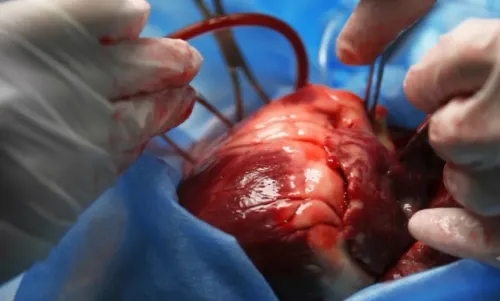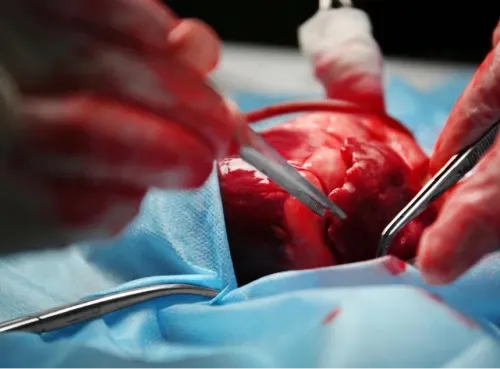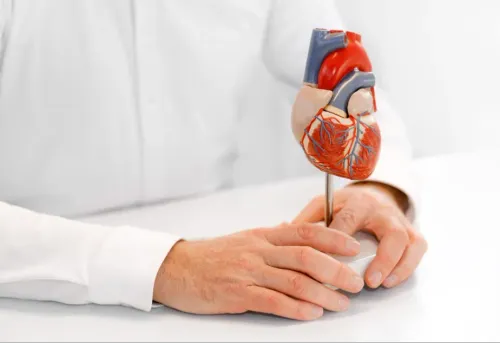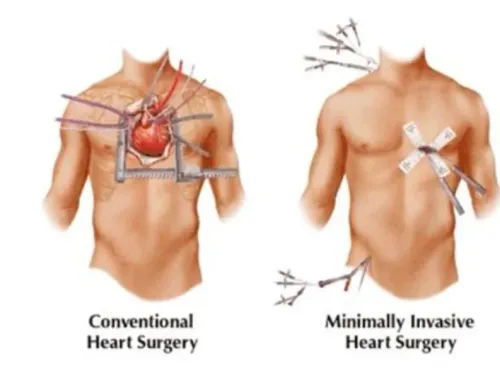

Hearing that a child requires heart surgery is one of the most emotional experiences any parent can face. Along with concerns about the diagnosis, families often have questions about the procedure, recovery, hospital stay, and long-term outlook. Choosing a trusted Pediatric Cardiac Surgery Centre and understanding the treatment journey can help parents feel more informed and confident during this challenging time.
Children with congenital or acquired heart conditions often require specialised care that differs significantly from adult cardiac treatment. Pediatric cardiac surgery combines advanced medical technology with highly trained surgeons, paediatric cardiologists, anaesthesiologists, intensive care specialists, and nursing teams who understand the unique needs of infants, children, and adolescents.
Why Specialized Pediatric Cardiac Care Matters
Children are not simply smaller versions of adults. Their hearts, blood vessels, and overall physiology require specialised evaluation and treatment.
A dedicated pediatric cardiac centre provides:
- Pediatric cardiology expertise
- Cardiac imaging designed for children
- Specialized pediatric cardiac surgeons
- Pediatric cardiac intensive care units
- Child-friendly recovery and rehabilitation support
- Multidisciplinary coordination throughout treatment
These services help ensure that every stage of care is tailored to the child's age, condition, and overall development.
Conditions That May Require Pediatric Cardiac Surgery
Several heart conditions diagnosed in infancy or childhood may require surgical treatment.
Some common examples include:
- Atrial Septal Defect (ASD)
- Ventricular Septal Defect (VSD)
- Patent Ductus Arteriosus (PDA)
- Tetralogy of Fallot
- Transposition of the Great Arteries
- Valve abnormalities
- Complex congenital heart defects
Some children require surgery soon after birth, while others may undergo treatment later depending on the severity of the condition and their overall health.
Signs That Need Early Medical Attention
Early diagnosis often leads to better treatment outcomes. Parents should seek medical evaluation if they notice symptoms such as:
- Rapid breathing
- Poor feeding in infants
- Failure to gain weight
- Bluish lips or fingertips
- Excessive sweating during feeding
- Frequent chest infections
- Easy tiredness during physical activity
These symptoms do not always indicate heart disease, but they should always be assessed by a pediatric cardiologist.
Preparing Your Child for Surgery
Preparation begins long before the day of the operation. Parents play an important role in helping children feel secure and emotionally supported.
Before surgery, families are usually guided through:
- Preoperative blood tests
- Echocardiography and other imaging
- Anaesthesia assessment
- Medication review
- Nutritional evaluation
- Detailed discussions with the surgical team
For older children, explaining the procedure in simple, reassuring language can reduce anxiety. Younger children benefit from maintaining familiar routines and having trusted family members nearby.
What Happens on the Day of Surgery?
On the day of surgery, the child is cared for by a dedicated team that includes surgeons, anaesthesiologists, nurses, and pediatric intensive care specialists.
Parents are informed about each stage of the procedure, from admission and anaesthesia to recovery in the pediatric cardiac intensive care unit. Although waiting during surgery can be stressful, regular communication from the medical team helps families stay informed.
After the operation, the child is closely monitored to ensure stable heart function, breathing, and recovery before being transferred to a regular hospital room.
Recovery After Pediatric Heart Surgery
Every child recovers at a different pace depending on the condition treated and the complexity of the procedure.
Recovery generally includes:
- Pain management
- Gradual return to feeding
- Gentle physical activity
- Wound care
- Follow-up echocardiograms
- Regular consultations with the pediatric cardiologist
Parents also receive guidance regarding medications, school attendance, vaccinations, nutrition, and physical activity after discharge.
Many children who undergo successful heart surgery go on to lead active and fulfilling lives with regular follow-up care.
Choosing the Right Pediatric Cardiac Surgery Centre
Selecting the right hospital involves more than evaluating surgical facilities. Families should also consider:
- Experience in pediatric cardiac surgery
- Availability of neonatal and pediatric intensive care
- Comprehensive diagnostic facilities
- Child-focused nursing care
- Family counselling and education
- Long-term cardiac follow-up services
A coordinated approach ensures that both the child and the family receive continuous support throughout the treatment journey.
Specialized Pediatric Cardiac Care in Nagpur
Families across Nagpur and Maharashtra now have access to advanced pediatric cardiac services closer to home. Modern cardiac hospitals combine experienced pediatric specialists with advanced technology to diagnose and treat a wide range of congenital and acquired heart conditions.
Dr K G Deshpande Memorial Centre provides comprehensive pediatric cardiac evaluation and surgical care through a multidisciplinary team committed to delivering individualized treatment for every child. From diagnosis and surgery to rehabilitation and long-term follow-up, the focus remains on achieving the best possible outcomes while supporting families at every stage.
Choosing the right Pediatric Cardiac Surgery Centre is an important decision that extends beyond the operation itself. Expertise, specialized infrastructure, compassionate care, and ongoing follow-up all contribute to helping children recover safely and enjoy healthier futures.
Keywords