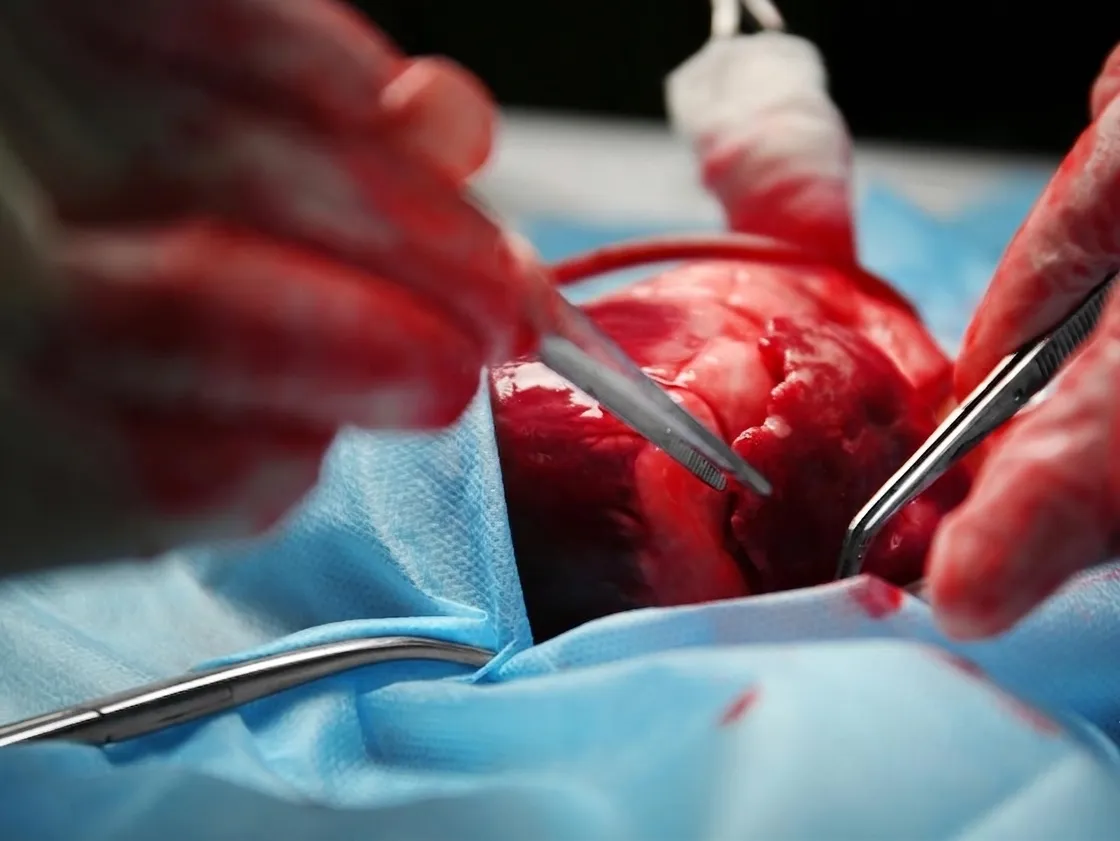
Learning that you or a loved one may need heart surgery can be overwhelming. Along with understanding the diagnosis, one of the biggest decisions is choosing the right hospital. As cardiac surgery continues to advance, many patients are exploring treatment at a Small Incision Cardiac Surgery Hospital, where minimally invasive techniques may offer faster recovery and reduced surgical trauma for suitable candidates.
However, not every hospital offering cardiac procedures provides the same level of expertise, technology, or patient support. Understanding what truly matters can help you make an informed choice based on quality of care rather than assumptions.
What Is Small Incision Cardiac Surgery?
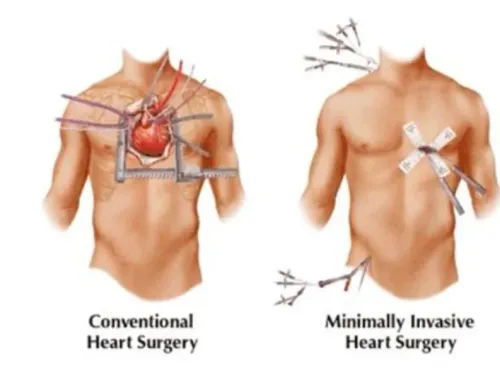
Small incision cardiac surgery is a minimally invasive approach used for selected heart procedures. Instead of opening the chest through a long incision and dividing the breastbone, surgeons operate through a smaller opening using specialised instruments and advanced surgical techniques.
Depending on the patient's condition, this approach may be used for procedures such as coronary artery bypass surgery, valve repair or replacement, and certain structural heart conditions.
It is important to remember that not every patient is a candidate for minimally invasive surgery. The decision depends on factors including heart anatomy, the complexity of the disease, overall health, and the type of procedure required.
Why Hospital Selection Matters
Modern cardiac surgery relies on far more than surgical skill alone. The quality of outcomes depends on a coordinated team that includes cardiologists, cardiac surgeons, anaesthesiologists, intensivists, nurses, rehabilitation specialists, and diagnostic experts.
Choosing a hospital with comprehensive cardiac services ensures every stage of treatment from diagnosis to recovery is managed efficiently and safely.
Key Factors to Evaluate
Before selecting a small incision cardiac surgery hospital, consider these important aspects.
Experienced Cardiac Surgery Team
The experience of the cardiothoracic surgical team plays a major role in patient outcomes. Surgeons who regularly perform minimally invasive procedures develop the technical precision required for these advanced operations.
Patients should feel comfortable asking about the team's expertise, available surgical options, and how treatment decisions are made.
Comprehensive Diagnostic Facilities
Accurate diagnosis is the foundation of successful treatment.
A well-equipped cardiac centre should provide access to investigations such as:
- Coronary angiography
- Echocardiography
- Cardiac CT imaging
- Electrocardiography (ECG)
- Advanced laboratory services
These facilities help doctors evaluate the condition thoroughly before recommending surgery.
Advanced Operation Theatres
Modern cardiac procedures require specialised operating rooms designed for complex surgeries. Advanced monitoring systems, surgical equipment, and infection-control protocols all contribute to safer procedures and better outcomes.
Dedicated Cardiac Intensive Care
The first few hours after heart surgery are critical. Hospitals with dedicated cardiac intensive care units provide continuous monitoring, allowing the medical team to respond quickly if additional support is needed during recovery.
Recovery Support Is Equally Important
Successful heart surgery does not end in the operating theatre. Recovery involves careful rehabilitation, patient education, and long-term follow-up.
A good cardiac hospital should provide guidance on:
- Medication management
- Physical activity after surgery
- Nutrition and heart-healthy eating
- Cardiac rehabilitation programmes
- Follow-up schedules
- Lifestyle modifications to reduce future cardiac risk
Comprehensive recovery services often improve patient confidence and help achieve better long-term results.
Questions Patients Should Ask
Before finalising treatment, consider discussing these topics with your healthcare provider:
- Am I a suitable candidate for small incision cardiac surgery?
- What are the expected benefits in my specific case?
- Are there situations where conventional surgery would be safer?
- What is the estimated recovery period?
- What support will I receive after discharge?
- How frequently does the surgical team perform minimally invasive cardiac procedures?
Open communication helps patients and families understand the treatment plan while setting realistic expectations.
The Importance of Personalised Treatment
Every heart condition is unique. While minimally invasive surgery offers many advantages for suitable patients, the safest option always depends on individual clinical findings rather than personal preference alone.
A responsible cardiac team carefully evaluates all diagnostic information before recommending surgery. In some situations, traditional open-heart surgery may provide the most effective and safest outcome. Personalised treatment planning ensures that decisions are made based on medical evidence rather than a one-size-fits-all approach.
Advanced Cardiac Care in Nagpur
Patients in Nagpur and across Maharashtra now have access to sophisticated cardiac treatment without needing to travel long distances. Hospitals with specialised cardiology and cardiothoracic departments are equipped to diagnose and manage a wide range of heart conditions using modern surgical techniques.
Dr K G Deshpande Memorial Centre is among the healthcare institutions offering comprehensive cardiac services supported by experienced specialists, advanced surgical infrastructure, and multidisciplinary patient care. Individuals considering minimally invasive cardiac procedures can undergo a detailed assessment to determine whether small incision surgery is appropriate for their condition.
Choosing a Small Incision Cardiac Surgery Hospital is about more than selecting a modern technique. It involves finding a healthcare provider with experienced specialists, advanced facilities, strong postoperative support, and a patient-centred approach that prioritises safety, personalised care, and long-term heart health.
Keywords