Healthy blood vessels are essential for carrying oxygen and nutrients throughout the body. When arteries or veins become blocked, weakened, narrowed, or damaged, blood circulation can be affected, leading to serious health problems if left untreated. Consulting a Vascular Surgery Specialist in Nagpur at the right time can help diagnose these conditions early and determine the most effective treatment.
Many vascular conditions can initially be managed with lifestyle changes and medication. However, some cases require surgical or minimally invasive intervention to restore blood flow, prevent complications, and improve quality of life. Knowing when to seek specialist care is an important step toward protecting long-term vascular health.
What Is Vascular Surgery?
Vascular surgery is a specialised field that focuses on diagnosing and treating diseases affecting the body's blood vessels, excluding those of the heart and brain. These include arteries, veins, and the lymphatic system.
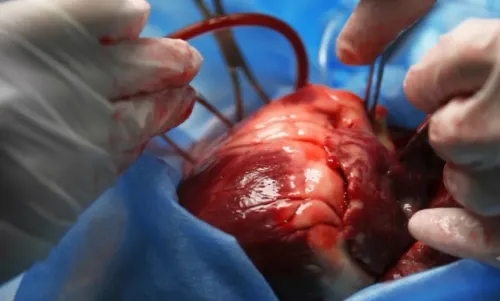
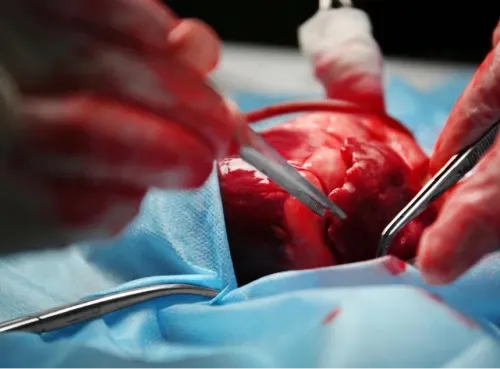
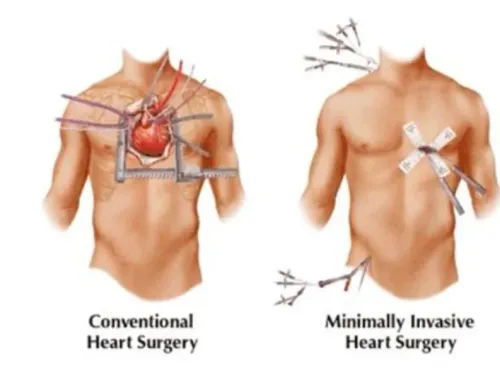
Modern vascular surgery includes both traditional open surgical procedures and minimally invasive techniques. The treatment approach depends on the patient's condition, the severity of the disease, and overall health.
A vascular surgeon works closely with cardiologists, physicians, radiologists, and rehabilitation specialists to create an individualised treatment plan.
Common Vascular Conditions
Several disorders may require evaluation by a vascular specialist.
Peripheral Artery Disease (PAD)
Peripheral artery disease occurs when fatty deposits narrow the arteries supplying blood to the legs. Reduced circulation can cause pain while walking, slow-healing wounds, and, in advanced cases, tissue damage.
Varicose Veins
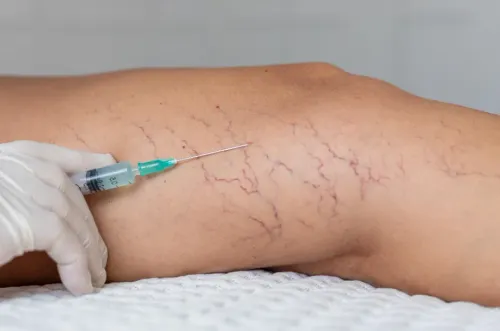
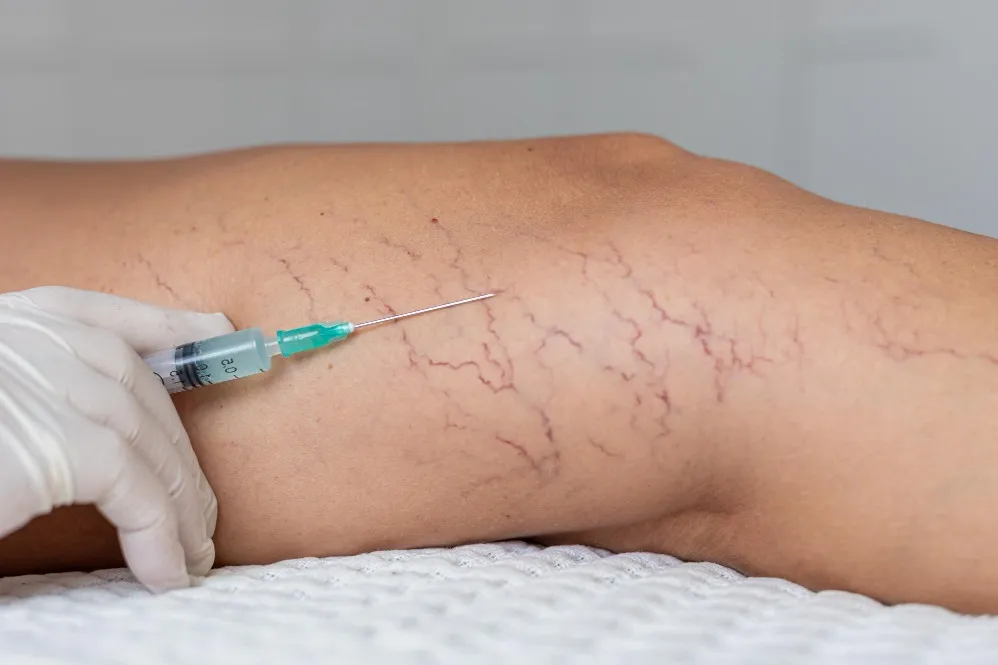
Enlarged, twisted veins are a common condition that may cause discomfort, swelling, heaviness, itching, or cosmetic concerns. While many cases are mild, severe varicose veins may require medical treatment.
Deep Vein Thrombosis (DVT)
Deep vein thrombosis develops when a blood clot forms in a deep vein, usually in the leg. Prompt diagnosis is essential because the clot can travel to the lungs, resulting in a potentially life-threatening pulmonary embolism.
Aneurysms
An aneurysm is a weakened area in the wall of an artery that causes it to bulge. Large or rapidly growing aneurysms may require surgical repair to reduce the risk of rupture.
Carotid Artery Disease
Narrowing of the carotid arteries can reduce blood flow to the brain and increase the risk of stroke. Early detection allows doctors to recommend appropriate treatment before complications occur.
Symptoms That Should Not Be Ignored
Many vascular disorders develop gradually, making early recognition important.
Consult a vascular specialist if you experience:
- Leg pain while walking that improves with rest
- Persistent swelling in one or both legs
- Non-healing wounds on the feet or legs
- Visible bulging veins with discomfort
- Sudden coldness or numbness in a limb
- Skin colour changes in the legs or feet
- Unexplained pain or heaviness in the lower limbs
These symptoms do not always indicate serious vascular disease, but they should be evaluated promptly.
How Vascular Diseases Are Diagnosed
Accurate diagnosis is the first step toward effective treatment.
A vascular surgeon may recommend:
- Doppler ultrasound
- CT angiography
- MR angiography
- Blood circulation studies
- Ankle-brachial index (ABI)
- Blood investigations
These tests help identify the location and severity of the problem while guiding treatment decisions.
When Is Surgery Recommended?
Not every vascular condition requires surgery. Treatment depends on the progression of the disease and the patient's overall health.
Surgery or minimally invasive intervention may be advised when:
- Blood flow is severely restricted
- Medications are no longer effective
- An aneurysm has reached a dangerous size
- Chronic wounds fail to heal due to poor circulation
- Blood clots pose a significant health risk
- Symptoms interfere with daily activities
The goal is always to improve circulation, relieve symptoms, and prevent long-term complications.
Choosing the Right Vascular Care Centre
Selecting the right hospital is an important part of successful treatment. Patients should look for facilities that offer:
- Experienced vascular surgeons
- Advanced vascular imaging
- Hybrid operating theatres where available
- Intensive postoperative monitoring
- Multidisciplinary cardiac and vascular support
- Rehabilitation and long-term follow-up services
Comprehensive care helps ensure better outcomes and smoother recovery.
Specialised Vascular Care in Nagpur
Nagpur has become an important healthcare destination for patients seeking specialised vascular treatment in Maharashtra. With access to modern diagnostic technology and experienced specialists, patients can receive timely care for a wide range of vascular disorders.
Dr K G Deshpande Memorial Centre provides comprehensive vascular evaluation and treatment as part of its advanced cardiothoracic and vascular surgery services. Every patient undergoes a detailed assessment to determine the most appropriate treatment, whether that involves medical management, minimally invasive procedures, or surgery.
Blood vessel disorders often progress silently before causing noticeable complications. Consulting a Vascular Surgery Specialist in Nagpur at the earliest signs of poor circulation can lead to timely diagnosis, effective treatment, and better long-term vascular health. Early intervention not only relieves symptoms but also helps reduce the risk of serious complications, allowing patients to maintain a healthier and more active life.
Keywords