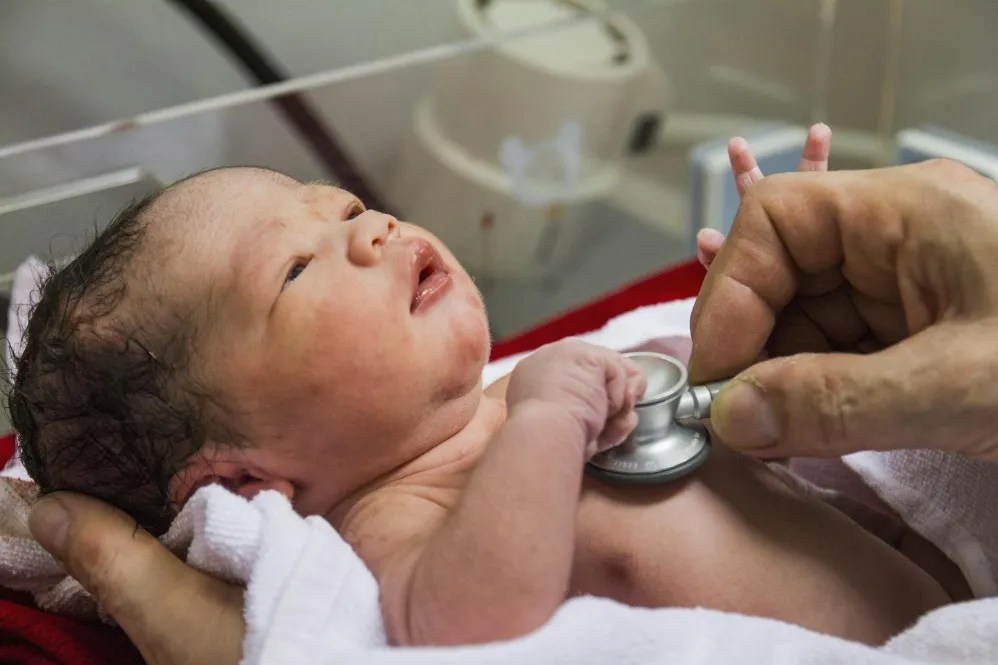
A heart condition diagnosed in a newborn can require decisions at a time when parents are still adjusting to the arrival of their baby. Some congenital heart defects are mild and can be monitored, while critical abnormalities may require specialized intervention soon after birth.
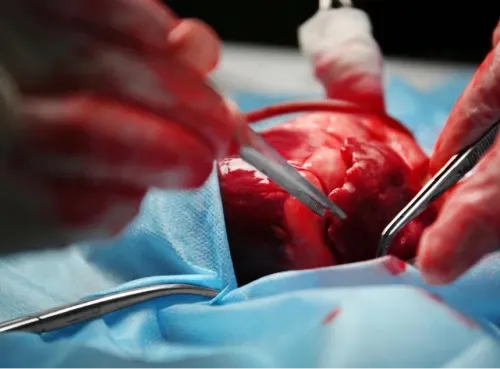
Neonatal Cardiac Surgery refers to heart surgery performed during the newborn period. These procedures require specialized assessment because newborns have very small cardiovascular structures and their circulation is still adapting after birth.
Why Some Heart Defects Need Early Treatment
Before birth, fetal circulation works differently because oxygen comes through the placenta. After delivery, major circulatory changes take place as the lungs begin functioning.
Certain congenital heart defects interfere with this transition.
A newborn may require urgent cardiac assessment if there are signs such as:
- Persistent low oxygen levels
- Bluish discoloration
- Difficulty breathing
- Poor feeding
- Excessive sweating during feeds
- Poor circulation
- Significant abnormalities detected during prenatal or newborn evaluation
These signs can have causes other than heart disease, so specialist assessment is essential.
Diagnosis May Begin Before Birth
Some congenital heart conditions are detected during pregnancy through fetal cardiac assessment.
Prenatal diagnosis can help families and clinical teams plan delivery and early care when a significant heart defect is suspected.
Other defects become apparent only after birth through examination, oxygen screening or symptoms.
Echocardiography is one of the principal investigations used to understand the structure and function of a newborn's heart.
Why Timing Is Individualized
The need for surgery depends on the exact defect and its effect on circulation.
Some babies may require treatment very early. Others can be stabilized and treated later.
The team considers:
- Heart anatomy
- Oxygen levels
- Blood flow
- Baby's weight
- Prematurity
- Function of other organs
- Presence of additional congenital conditions
- Overall clinical stability
There is therefore no universal timeline for neonatal heart surgery.
Specialized Care Extends Beyond the Surgeon
Neonatal Cardiac Surgery requires multidisciplinary support.
The baby's care may involve pediatric cardiac specialists, cardiothoracic surgeons, anaesthesia professionals, intensive-care teams, nursing staff and other specialists according to clinical requirements.
Monitoring before and after surgery is particularly important because newborn physiology can change rapidly.
Questions Parents Can Ask
When a newborn is referred for surgical evaluation, parents can ask:
- What is the exact diagnosis?
- Can you show us the defect on the heart scan?
- Why is an operation required?
- How soon does treatment need to occur?
- Is this a corrective or staged procedure?
- What will happen immediately after surgery?
- What follow-up may be required as the child grows?
It is reasonable to take notes or ask clinicians to repeat complicated explanations.
Long-Term Follow-Up Can Be Important
Treatment of a congenital heart defect does not always end after one operation.
Depending on the diagnosis, children may require continued cardiac follow-up to monitor heart function, valves, blood vessels, rhythm and development.
Some complex congenital conditions involve staged treatment over time.
Parents should therefore ask about both the immediate operation and the longer-term care pathway.
Seeking Specialized Evaluation in Nagpur
Families in Nagpur and elsewhere in Maharashtra may be referred for pediatric cardiac assessment after a prenatal diagnosis, abnormal newborn screening or symptoms following birth.
When seeking care, bring prenatal reports, echocardiography findings, birth records and details of treatment already provided.
Dr K G Deshpande Memorial Centre provides cardiothoracic care in Nagpur where appropriate cardiac conditions can be assessed and treatment requirements discussed.
When Neonatal Cardiac Surgery is being considered, the most important information comes from the baby's individual diagnosis. Clear communication between specialists and parents helps families understand why treatment is being proposed, how it will be performed and what care may be required afterward.
Keywords