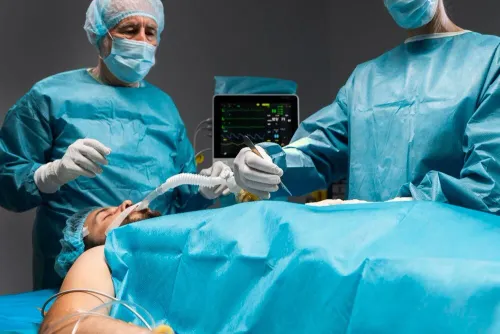

Choosing off-pump bypass is not a matter of selecting the option that sounds gentler. Your angiogram, heart function, other illnesses, surgical anatomy and the team’s ability to complete every necessary graft determine whether it is a sound choice. By the end, you will know which questions identify a beating heart bypass candidate and how to compare OPCAB with conventional on-pump CABG.
Key takeaways
- Your blocked-vessel pattern and overall health determine candidacy.
- Coronary angiography and heart imaging show whether off-pump grafting is practical.
- Off-pump surgery avoids the heart-lung machine but is not suitable for everyone.
- Ask how the team will switch safely if the heart cannot be stabilised.
What makes someone a beating heart bypass candidate?
A beating heart bypass candidate is not defined by one test or diagnosis. For someone asking whether beating heart bypass surgery is for me, the real question is whether the team can reach every important blocked vessel safely and create complete, durable grafts while the heart continues beating.
The assessment usually follows these steps:
1. Map the coronary disease. The number and location of blocked arteries determine how many grafts are needed and whether the targets sit on the front, side or back of the heart. Severe diffuse disease, small or calcified vessels, extensive circumflex-territory disease, or many required grafts can make off-pump access and stabilisation difficult.
2. Check the heart’s reserve. Left-ventricular ejection fraction, an enlarged heart, poor heart function and blood-pressure stability affect whether the heart can tolerate being moved during grafting. A still, bloodless field with the heart-lung machine may provide better control when exposure is difficult.
3. Weigh the wider risks. Diabetes, kidney disease, lung disease, previous stroke, older age and frailty can influence the balance. A heavily calcified ascending aorta or previous chest surgery can also make conventional access and aortic handling more hazardous.
4. Compare the risks honestly. Avoiding the heart-lung machine can matter for selected patients at high risk of stroke, kidney injury or other complications, but it does not guarantee a safer result. The surgeon’s experience and ability to complete every necessary graft matter more than the label “beating heart bypass candidate.”
Which tests decide whether off-pump bypass is practical?
The assessment of off-pump bypass surgery patients uses several tests, each answering a different surgical question. No single result makes you a beating heart bypass candidate; the team must decide whether every important vessel can be reached and grafted safely while the heart beats.
| Assessment | What it shows | Decision it informs |
|---|---|---|
| Coronary angiography | Narrowed arteries, number of grafts, and target vessels on the front, side or back of the heart | Whether the planned grafts can be exposed and completed off-pump |
| Echocardiography | Left-ventricular ejection fraction, valve disease and chamber size | Whether heart movement and repositioning are tolerable |
| CT scan | A calcified ascending aorta, prior graft anatomy, chest structure or lung findings | Whether surgical handling, access or lung management needs a different plan |
| Blood tests | Creatinine and kidney function, haemoglobin, platelet count, glucose or HbA1c, clotting results and infection markers | Whether kidney, bleeding, anaemia, diabetes or infection risks need correction |
| Anaesthesia assessment | Airway, lung function, previous stroke, frailty, medicines and sleep apnoea | Whether you can tolerate heart movement and blood-pressure changes |
Ask these questions before choosing the approach:
- How many grafts are needed?
- Which targets are difficult to expose, especially on the side or back?
- Is the ascending aorta calcified?
- What finding would make on-pump CABG the safer plan?
A heavily calcified aorta may favour avoiding the pump, while severe diffuse disease, small targets or poor heart function may make on-pump CABG more controlled.
How does OPCAB compare with on-pump CABG for my risks?
For someone asking, “Is beating heart bypass surgery for me?”, OPCAB is not automatically safer than on-pump CABG. OPCAB avoids the heart-lung machine, but on-pump CABG stops the heart and provides a still, bloodless field, making vessels on the back or side easier to reach and graft precisely.
| Issue | OPCAB | On-pump CABG |
|---|---|---|
| Grafting | Moving-heart exposure can limit completeness or precision, especially with many grafts | Still field often makes complete, accurate grafting easier |
| Bleeding and transfusion | Selected studies show less bleeding and fewer transfusions | Risk can be higher in some patients |
| Atrial fibrillation and kidney injury | Selected studies show fewer cases of both | Rates may be higher in selected studies |
| Stroke, heart attack and death | No consistent overall reduction in large randomised evidence | No consistent overall disadvantage |
| Dialysis-requiring kidney failure | No consistent reduction | No consistent increase |
| Hospital stay | May be shorter in selected patients | May be longer in selected patients |
| Long-term graft patency | Can be lower if grafting is incomplete or technically difficult | Often favoured when complex anatomy requires precise grafting |
For off-pump bypass surgery patients, the trade-off is clear: avoiding the pump may reduce some short-term complications, yet difficult exposure or many planned grafts can produce incomplete revascularisation or less durable grafts. Earlier randomised evidence, including the ROOBY trial, found fewer grafts and lower one-year patency with OPCAB.
Compare both plans against your own angiogram. Ask which vessels require grafts, whether every important target is reachable while the heart beats, and which approach offers the safest complete, durable result.
What if the heart cannot be stabilised during surgery?
A planned off-pump operation can become on-pump CABG if the heart cannot be stabilised or a graft cannot be placed safely. This possibility belongs in informed consent because conversion changes the procedure, risks and recovery plan.
Moving the heart to reach a vessel on its back or side can lower blood pressure or reduce oxygen delivery. The surgeon may also find that exposure is inadequate, the heart moves too much, or a target vessel is unsafe to graft while it is beating.
The heart-lung machine then provides a stiller, more controlled operating field.
| Conversion type | What happens | Why it matters |
|---|---|---|
| Planned conversion | The team changes to on-pump CABG before instability becomes severe | Usually allows a controlled transition |
| Emergency conversion | The team starts the pump after dangerous instability develops | Added risk exists because blood pressure or oxygen delivery is already failing |
For a beating-heart bypass candidate, ask these questions before surgery:
- How often does the surgeon perform OPCAB?
- What is the centre’s conversion-to-pump rate?
- How often are all intended vessels grafted, and what are the graft-patency results?
- How do transfusion, stroke and kidney-injury results compare with on-pump CABG in similar patients?
- What finding would make on-pump surgery the safer plan?
Off-pump describes whether the heart-lung machine is used. Minimally invasive or small-incision CABG describes the access incision; it does not mean off-pump. These are separate choices, so off pump bypass surgery patients should not assume a small incision or beating-heart technique suits every coronary pattern.
How should I make the final decision with my heart team?
Bring the angiogram report, echocardiogram results and complete medication list to a heart-team consultation; also write down your diabetes, kidney disease, lung disease, previous stroke, frailty and prior chest operations. These details change the balance between beating heart bypass surgery for me, on-pump CABG and PCI with stents.
Ask the team:
- Can OPCAB graft every important diseased vessel, including targets on the side or back of the heart?
- What is the alternative on-pump plan if exposure or stabilisation is difficult?
- Is PCI with stents reasonable for my anatomy and long-term treatment?
- Which outcome matters most for me: avoiding the pump, reducing transfusion, achieving complete revascularisation or improving long-term graft durability?
- How often does the surgeon perform OPCAB, and what are the centre’s audited conversion, graft-completeness, graft-patency, transfusion and stroke results?
- How do those results compare with on-pump CABG in patients with similar anatomy and risk?
| Option | Main strength | Main question |
|---|---|---|
| OPCAB | Avoids the heart-lung machine | Can every target be grafted precisely and durably? |
| On-pump CABG | Provides a still, bloodless field | Does pump-related risk outweigh its technical advantage? |
| PCI | Avoids chest surgery | Will stents provide complete, durable treatment? |
Anaesthesia support, intensive-care capability and audited hospital outcomes also affect the decision. Dr K G Deshpande Memorial Centre can help patients in Central India ask which tests are needed and compare both surgical approaches for their angiogram. Choose the safest complete, durable treatment—not the label that sounds least invasive.
Frequently asked questions
What makes someone a beating heart bypass candidate?
A candidate needs coronary blockages that surgeons can reach safely while the heart continues beating, with a realistic chance of complete, durable grafting.
Which tests decide whether off-pump bypass is practical?
The heart team reviews coronary angiography, heart function, the location of each blockage and your wider surgical risks before recommending off-pump bypass.
How does OPCAB compare with on-pump CABG for my risks?
OPCAB avoids the heart-lung machine, while on-pump CABG provides a motionless heart; the safer option depends on your anatomy, heart function and surgical complexity.
What if the heart cannot be stabilised during surgery?
The surgeon may convert to on-pump CABG if stabilisation, access or graft quality becomes unsafe during the operation.
How should I make the final decision with my heart team?
Ask whether every important vessel can be grafted, why OPCAB or on-pump CABG is recommended, and what the conversion plan is if conditions change.
Keywords