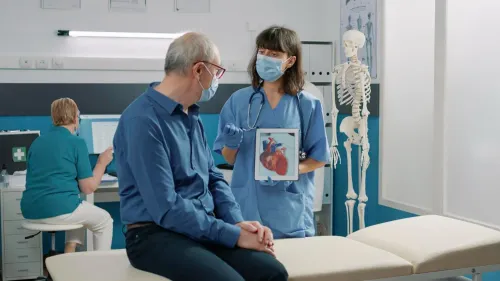

Call 112 or go straight to an emergency department for chest pressure, severe breathlessness, fainting or symptoms that suggest a heart attack; do not wait for a clinic appointment. For recurring or unexplained symptoms that are not immediately dangerous, a planned assessment can identify whether you need cardiology tests, treatment or another type of care.
Key takeaways
- Call 112 for severe, pressure-like chest pain lasting more than a few minutes.
- Book a cardiac consultation for persistent risk factors or recurring non-emergency symptoms.
- Use an emergency doctor for sudden symptoms; see a physician for initial assessment.
- Do not dismiss new chest pain as acidity, anxiety or muscle strain without assessment.
When should you call 112 instead of booking a cardiologist?
Severe or pressure-like chest discomfort lasting more than a few minutes, or returning after it eases, needs 112—not a scheduled cardiologist in Nagpur for chest pain. Treat it as possible acute coronary syndrome, especially when any of these signs appear:
- Pain spreading to the arm, jaw, back or shoulder
- Breathlessness, cold sweat, nausea or sudden weakness
- Fainting, light-headedness or a sustained rapid heartbeat
- Chest discomfort that does not settle with rest
- A first episode that feels severe, unusual or rapidly worsening
Use an ambulance where possible; do not drive yourself. Do not wait for acidity medicine to work or for a clinic slot, because treatment delays can damage heart muscle.
Older adults, women and people with diabetes may have a heart attack without dramatic chest pain. Unusual fatigue, indigestion-like discomfort, dizziness or breathlessness can be the main warning signs. Call 112 if these symptoms are sudden, severe or accompanied by sweating, weakness or fainting.
A normal first ECG alone does not rule out a heart attack or unstable angina. Emergency teams commonly combine ECG findings with high-sensitivity cardiac troponin testing and repeat testing under the local clinical protocol. A result that looks reassuring at first is not permission to leave when symptoms continue or return.
When is a scheduled cardiac consultation the right next step?
1. Arrange a cardiac consultation in Nagpur after a first episode of exertional chest pressure, breathlessness, reduced exercise tolerance, palpitations, fainting or near-fainting, or unexplained ankle swelling. Symptoms triggered by walking or climbing stairs deserve review even if they settle with rest.
2. Book a cardiologist when symptoms recur, occur at rest and settle without an explanation, become more frequent, or continue after you stop exercising and rest.
This is the practical answer to when to see a cardiologist in Nagpur for heart problems: a cardiologist can assess whether the pattern reflects coronary disease, an arrhythmia, valve disease, heart failure or another cause.
3. Seek prompt review for palpitations with fainting, near-fainting, chest pain or breathlessness, a sustained rapid heartbeat, or a family history of sudden cardiac death. A normal resting ECG between episodes does not exclude an intermittent rhythm problem; a short Holter monitor or longer event monitor may be needed to capture it.
4. Do not wait for a routine appointment if you have severe breathlessness, confusion, fainting, breathlessness when lying flat, waking gasping at night, or rapid weight gain with swelling. These symptoms need urgent escalation through emergency care, especially when breathing is difficult or your condition is worsening.
Who should you contact first: cardiologist, emergency doctor, physician or surgeon?
Choose an emergency doctor first for a possible heart attack, severe breathlessness, fainting or unstable symptoms. Call 112 rather than booking a heart specialist in Nagpur if symptoms are worsening or you feel unsafe waiting. A general physician suits an initial mild or unclear complaint, but these findings justify direct cardiology review:
- New symptoms during walking or climbing stairs
- Recurrent unexplained chest discomfort
- Palpitations with dizziness
- Known heart disease
- An abnormal ECG or other initial test
| Professional | Main role | Best first contact |
|---|---|---|
| Emergency doctor | Rapid triage and treatment of unstable symptoms | Possible heart attack, severe breathlessness, fainting or collapse |
| General physician | Initial assessment and referral | Mild, unclear or non-urgent symptoms |
| Cardiologist | Evaluates coronary disease, blood pressure, cholesterol, rhythm disorders, heart failure and valve disease | Stable or recurring symptoms and abnormal findings |
| Cardiac surgeon | Performs bypass surgery and many valve or aortic operations | After cardiology assessment identifies a surgical problem |
An interventional cardiologist performs catheter-based procedures such as coronary angiography, angioplasty and stenting. A cardiac surgeon usually receives a referral after the heart problem has been assessed; a person with a known structural defect already being considered for surgery needs coordinated cardiology and surgical evaluation.
A referral does not automatically lead to an angiogram, stent or operation. It may end with medicines, risk-factor treatment and follow-up. If you are searching for a heart problem doctor in Nagpur while symptoms are active, seek emergency triage first rather than waiting for a scheduled consultation.
Why new chest pain should not be labelled acidity, anxiety or muscle strain
New chest pain needs medical assessment even when acidity, anxiety or muscle strain seems likely. Seek a cardiologist in Nagpur for chest pain that is new, severe, triggered by exertion or unexplained; use emergency care for active or potentially acute symptoms.
| Pattern | What it may suggest | Why it is not proof |
|---|---|---|
| Reflux | Burning related to meals or lying down | Heart pain can feel like indigestion |
| Chest-wall pain | Tenderness reproduced by movement or touch | Local tenderness does not exclude a heart problem |
| Panic | An episode with fear and rapid breathing | Panic and cardiac symptoms can overlap |
| Asthma | Wheezing with variable breathlessness | Breathlessness can have more than one cause |
| Anaemia-like fatigue | Reduced stamina with general tiredness | Reduced exercise capacity can signal heart disease |
These patterns do not prove a non-cardiac diagnosis at home. A cardiac consultation in Nagpur is appropriate for recurring or stable symptoms, while severe or ongoing pain needs urgent evaluation.
Do not arrange a routine stress test while chest pain is active or potentially acute. After emergency causes are excluded, a clinician may select coronary CT angiography, stress imaging or another test based on your symptoms, kidney function, ECG findings and overall risk.
The right test depends on the question being asked; testing too early can delay treatment.
Who needs a non-urgent heart check, and how should you prepare?
Arrange a planned cardiac assessment before symptoms become urgent if you have high blood pressure, diabetes, high cholesterol, smoking, obesity, chronic kidney disease, a family history of premature heart disease, previous heart disease or previous stroke. Seek assessment sooner when symptoms appear, even if they seem mild.
These risk factors do not diagnose blocked arteries; they change how clinicians judge the need for testing and follow-up.
1. Record the exact time each symptom began, how long it lasted, whether it followed walking, climbing stairs or meals, and whether sweating or dizziness occurred with it.
2. Prepare a complete list of prescription medicines, over-the-counter drugs and supplements, including doses and how often you take them. This helps a heart problem doctor in Nagpur identify missed medicines, interactions and unnecessary repeat tests.
3. Bring recent home blood-pressure readings, previous ECGs, echocardiograms, scans, blood-test reports and your family history of early heart disease or sudden cardiac death.
4. For a planned cardiac consultation in Nagpur, a centre such as Dr K G Deshpande Memorial Centre can review this information as part of specialist assessment. A heart specialist in Nagpur can then decide whether you need monitoring, imaging, treatment or follow-up.
Do not wait for that appointment if you develop severe chest pressure, breathlessness, fainting, cold sweat, sudden weakness or rapidly worsening symptoms. Call 112 or go to an emergency department first.
Frequently asked questions
When should you call 112 instead of booking a cardiologist in Nagpur?
Call 112 for severe or pressure-like chest discomfort lasting more than a few minutes, or returning after it eases. Treat it as possible acute coronary syndrome, especially when other warning signs appear.
When is a scheduled cardiac consultation in Nagpur the right next step?
Book a scheduled consultation for a non-urgent heart check, recurring symptoms that are not severe, or risk factors that need assessment without emergency warning signs.
Who should you contact first for a heart problem: a cardiologist, emergency doctor, physician or surgeon?
Contact an emergency doctor through 112 for sudden or severe symptoms. A physician can provide an initial assessment for non-urgent concerns, while a cardiologist evaluates suspected heart disease and a cardiac surgeon manages conditions requiring surgery.
Why should new chest pain not be labelled acidity, anxiety or muscle strain?
New chest pain can resemble indigestion, anxiety or muscle pain while signalling a serious heart problem. Seek urgent assessment instead of relying on a self-diagnosis.
Who needs a non-urgent heart check, and how should they prepare?
Arrange a non-urgent heart check when you have recurring concerns or heart-disease risk factors without emergency symptoms. Prepare a symptom timeline, medication list, medical records, family history and previous test reports.
Keywords