Breathlessness, chest discomfort, fever, palpitations or unusual tiredness after off-pump coronary artery bypass grafting can reflect normal healing, medication effects or a complication. You will learn how to triage symptoms, track recovery at home, protect the wound, handle medication problems and prepare for a prompt clinical review.
Key takeaways
- Treat pressure-like chest pain resembling preoperative angina as an emergency.
- Call the surgical team the same day for fever, wound drainage, or worsening breathlessness.
- Record temperature, weight, pulse, symptoms, medicines, and walking tolerance.
- Confirm medicine doses and activity limits before increasing exercise after off-pump bypass surgery.
Which recovery symptoms require emergency help, a same-day call or routine review?
Severe or pressure-like chest pain that resembles your preoperative angina is an emergency after bypass surgery.
Do not drive yourself; call emergency services immediately, especially with sudden severe breathlessness, fainting, blue or clammy lips or skin, coughing blood, sudden weakness or speech difficulty, a rapidly worsening irregular heartbeat, uncontrolled bleeding or a wound that has opened widely.
Triage bypass surgery recovery problems as follows:
| Level | Symptoms | Action |
|---|---|---|
| Emergency | Severe chest pain, severe breathlessness, fainting, blue or clammy skin, coughing blood, stroke-like weakness or speech trouble, rapidly worsening irregular heartbeat, uncontrolled bleeding, widely separated wound | Call emergency services now; do not wait for a heart surgery recovery consultation in Nagpur |
| Same-day call | Temperature 38°C or higher, new or worsening breathlessness, palpitations with dizziness, increasing wound redness or drainage, sudden or one-sided leg swelling, worsening pain, repeated vomiting, marked reduction in urine | Contact the surgical team today |
| Routine review | Mild fatigue, poor appetite, disrupted sleep, mild incision soreness, or gradually reduced walking tolerance that is improving | Arrange a planned review and keep monitoring |
Off-pump surgery avoids the heart-lung machine, but it does not remove risks such as infection, bleeding, arrhythmia, fluid overload, stroke, kidney injury or recurrent ischaemia. A symptom that worsens belongs in the urgent categories, even if it began soon after discharge.
How can you tell normal healing from a complication?
Mild chest-wall, breastbone or shoulder soreness, bruising near a graft-harvest site, reduced appetite, disturbed sleep, low mood and tiredness are common in early beating heart bypass surgery recovery when they gradually improve. They do not, by themselves, show graft failure.
New exercise intolerance, worsening or pressure-like chest pain, breathlessness at rest or while lying down, persistent cough, faintness, confusion, or fatigue that prevents basic activities needs assessment.
Check for these changes:
- A racing or irregular pulse, palpitations, dizziness or breathlessness can signal atrial fibrillation, which often develops during the first few postoperative days. Ask for an ECG rather than accepting reassurance.
- Check the sternotomy and leg wound once daily for spreading redness, warmth, swelling, separation, pus, foul-smelling drainage, bleeding or progressively worsening pain.
- Mild incision soreness and a small amount of bruising differ from an inflamed or draining wound.
- Persistent breastbone clicking, movement or pain beyond the expected healing period needs review.
Diabetes, smoking, obesity and poor nutrition increase the risk of delayed wound healing. Contact the surgical team promptly if a wound is worsening, even without fever.
Other bypass surgery recovery problems can reflect anaemia, infection, fluid overload, lung disease or an arrhythmia, so worsening symptoms deserve examination rather than an assumption that the graft has failed.
What should you expect week by week, and what should you record at home?
Recovery is measured in weeks, not days. Off pump bypass surgery care depends on your operation and progress, not simply on whether the heart-lung machine was used.
1. First 24 hours: The team watches heart rhythm, oxygen level, blood pressure, urine output, bleeding, pain and movement. Report worsening pain, breathlessness or confusion immediately.
2. At discharge: Leave with the medicine list, wound-care instructions, activity limits, warning signs and a follow-up plan. Confirm whom to call if symptoms worsen.
3. First two weeks: Walk short distances several times daily and rest between activities. Record temperature, pulse, blood pressure, daily weight, oxygen saturation if supplied, wound appearance, appetite, bowel function and walking tolerance. A rapid weight increase with swelling or breathlessness can indicate fluid retention; call the surgical team.
4. Weeks 3 to 6: Build walking distance gradually. Beating heart bypass surgery recovery still takes weeks, not days. Full recovery can take 6 to 12 weeks or longer after multiple grafts, reduced heart function, diabetes, kidney disease, frailty or complications.
OPCAB does not prove that your breastbone was spared. If the surgeon used a sternotomy, healing commonly takes about 6 to 12 weeks; persistent clicking, movement or worsening pain needs assessment. Take your written log, discharge summary and medicine list to every recovery review.
How should medicines and activity change during recovery?
1. If you miss aspirin or another antiplatelet dose, take it when remembered unless the next dose is near. Do not double the dose; ask the treating team what to do if missed doses recur. For warfarin or another anticoagulant, follow that medicine’s specific missed-dose instructions and contact the anticoagulation team.
Never take an extra dose without advice.
2. Do not stop aspirin, anticoagulants, statins, beta-blockers, diuretics or blood-pressure medicines because of bruising, fatigue, dizziness or low readings. Ask the team before changing a diuretic or pain medicine, especially if you have reduced urine, vomiting, kidney disease or faintness. These symptoms can reflect a medicine effect, dehydration or a complication that needs assessment.
3. Build activity from short walks to longer walks, resting before you become exhausted. Use stairs slowly and stop for chest pressure, marked breathlessness, dizziness or an irregular pounding heartbeat. Do not use pain medicine to push through these symptoms.
The surgeon decides when lifting, forceful pushing or pulling, arm use, driving, work, side sleeping and sexual activity are safe.
4. Off pump bypass surgery care still follows the operation you had, not just the fact that the heart was not stopped. A smaller incision does not automatically remove sternotomy restrictions; the breastbone may still need about 6 to 12 weeks to heal. Beating heart bypass surgery recovery is not automatically faster.
Cardiac rehabilitation provides prescribed exercise, medication education, nutrition advice, psychological support and smoking cessation. Ask for referral rather than treating it as optional exercise guidance.
What should you ask for at a recovery review in Nagpur?
A useful review should explain why recovery is off track, not simply confirm that the incision looks clean. Before booking a heart surgery recovery consultation in Nagpur, ask:
- Who will review the operating report, graft details and discharge summary?
- How quickly can you obtain an ECG and blood tests?
- Where would emergency readmission take place if symptoms worsen?
- Is cardiac rehabilitation available or coordinated?
The assessment can include oxygen saturation, blood pressure, pulse, ECG, weight, fluid status, wound appearance, mobility, haemoglobin, kidney function and a medication review. Chest imaging, echocardiography, rhythm monitoring or testing for recurrent ischaemia depends on those findings.
Bring a written home record of temperature, pulse, blood pressure, weight, symptoms, walking distance, wound changes and missed doses. This helps identify anaemia, arrhythmia, infection, fluid overload, lung disease or a medication effect instead of assuming every setback means a failed graft.
For someone searching for beating heart bypass surgery for recovery problems in Nagpur, Dr K G Deshpande Memorial Centre may be considered for specialist cardiac assessment and medical consultation. Confirm that the clinician can access your surgical records and arrange follow-up.
Do not delay emergency care for a private appointment if you have severe chest pressure, sudden breathlessness, fainting, blue or clammy skin, coughing blood, sudden weakness, speech difficulty or a rapidly worsening irregular heartbeat.
Related product
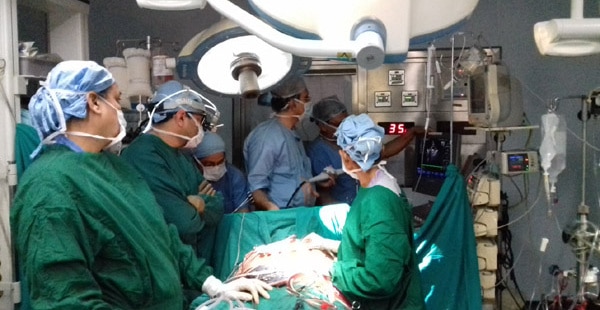 | Beating Heart Bypass Surgery / Completion Angiography MICS CABG / OPCAB / Small Incision Cardiac Surgery Valve Surgery Vascular Surgery Thoracic... View product → |
Frequently asked questions
Which symptoms after beating heart bypass surgery require emergency help?
Severe or pressure-like chest pain resembling preoperative angina requires emergency help. Seek urgent assessment for severe breathlessness, fainting, sudden weakness, or blue lips.
How can you distinguish normal healing from a bypass surgery complication?
Expected healing includes incision tenderness, tiredness, reduced appetite, and gradual improvement. Worsening pain, spreading redness, pus, fever, new breathlessness, or swelling needs medical review.
What should you record during beating heart bypass surgery recovery?
Record your temperature, weight, pulse, symptoms, wound appearance, medicine doses, walking distance, and any change in breathlessness or swelling.
How should medicines and activity change after off-pump bypass surgery?
Take medicines exactly as prescribed and do not stop aspirin, antiplatelets, beta blockers, or statins without medical advice. Increase walking gradually within your surgeon's limits and ask before lifting or driving.
What should you ask during a heart surgery recovery consultation in Nagpur?
Ask whether your symptoms, wound, medicines, blood pressure, pulse, activity level, and follow-up tests show expected recovery, and request clear thresholds for calling or attending emergency care.
Keywords