
The chest contains several vital structures, including the lungs, airways, oesophagus and tissues surrounding these organs. Diseases affecting this region sometimes require surgical evaluation when medicines or less invasive treatment cannot adequately address the problem.
Thoracic Surgery is the surgical specialty concerned with many conditions affecting structures within the chest.
Understanding why thoracic surgery is recommended can help patients prepare for consultation and make informed decisions about further investigation and treatment.
What Conditions Can Require Thoracic Surgery
Thoracic surgeons may evaluate a wide range of conditions involving the chest.
Depending on the individual case, these may include:
- Lung nodules or masses
- Certain lung cancers
- Pleural disorders
- Chest infections requiring surgical management
- Mediastinal masses
- Selected oesophageal conditions
- Chest-wall abnormalities
- Certain traumatic chest conditions
Not every abnormality found on a chest scan requires an operation. Some findings can be monitored, while others require biopsy or additional investigations before treatment is determined.
Why Accurate Diagnosis Comes First
A chest X-ray or CT scan may identify an abnormality, but imaging alone does not always establish its exact nature.
The medical team may need to review symptoms, imaging characteristics, previous scans and other clinical findings.
Depending on the condition, evaluation can include:
- CT imaging
- Pulmonary function testing
- Bronchoscopy
- Biopsy
- Blood investigations
- Cardiac assessment
- Additional specialized imaging
The investigations selected depend on what the doctors are trying to diagnose and whether surgery is being considered.
Open Surgery Is Not the Only Approach
Thoracic procedures can be performed through different surgical approaches.
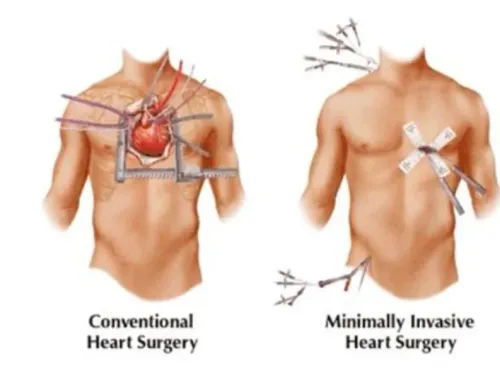
Traditional open thoracic surgery may require a larger incision to access the chest. Some conditions can be treated through minimally invasive techniques using smaller incisions and specialized equipment.
The appropriate method depends on disease location, complexity, patient anatomy and the operation required.
Patients should not assume that minimally invasive surgery is suitable for every chest condition.
Lung Function Matters Before Surgery
For operations involving lung tissue, doctors may need to determine whether the remaining lungs can support adequate breathing after the procedure.
This is particularly important for patients who smoke, have chronic lung disease or require removal of part of a lung.
Pulmonary function tests and other assessments may therefore become an important part of preoperative planning.
Questions to Ask Before a Thoracic Procedure
If surgery has been suggested, patients can ask:
- What exactly has been found?
- Do I need a biopsy first?
- Why is surgery recommended?
- What portion of the chest will be operated on?
- Which surgical approach is planned?
- How might the operation affect breathing?
- How long is recovery expected to take?
- What follow-up may be necessary?
Patients should also provide information about smoking history, medicines, previous chest procedures and existing respiratory problems.
When Should You Seek Evaluation
Persistent respiratory symptoms require appropriate medical assessment, particularly when accompanied by concerning findings.
Symptoms such as coughing up blood, unexplained persistent chest pain, progressive breathlessness or unexplained weight loss should be medically evaluated. These symptoms have multiple possible causes and do not by themselves establish a surgical diagnosis.
People in Nagpur and other areas of Maharashtra who have already been advised to obtain a surgical opinion should carry their imaging studies and previous medical reports to the consultation.
Dr K G Deshpande Memorial Centre provides cardiothoracic services in Nagpur, allowing patients requiring Thoracic Surgery assessment to discuss their diagnosis, investigations and potential treatment pathway with the relevant clinical team.
The decision to operate should always follow careful assessment of the disease, expected benefit, potential risks and the patient's overall health.
Keywords