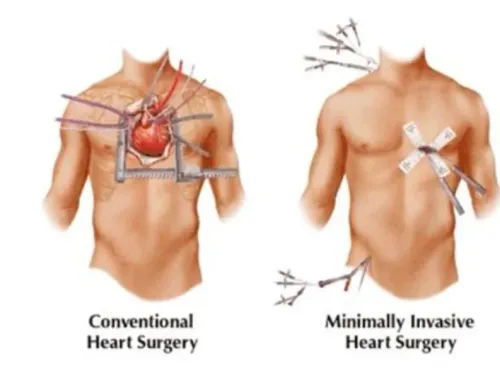

Heart bypass surgery has evolved significantly over the years, making treatment safer and more comfortable for many patients. One of the most important advancements is Beating Heart Bypass Surgery, a technique performed without stopping the heart during the operation. For patients in Nagpur and across Maharashtra who have been advised to undergo bypass surgery, understanding this approach can help reduce anxiety and support informed decision-making.
Traditional bypass surgery usually involves temporarily stopping the heart while a heart-lung machine takes over circulation. In contrast, beating heart bypass surgery allows surgeons to perform the procedure while the heart continues to beat naturally. Special stabilization devices help keep the targeted area steady, enabling surgeons to create precise bypass grafts without interrupting the heart's function.
This approach is often recommended for patients with blocked coronary arteries who require improved blood flow to the heart muscle. Depending on the patient's overall health, age, medical history, and the complexity of the blockages, the cardiac surgeon determines whether this technique is the most suitable option.
How Beating Heart Bypass Surgery Works
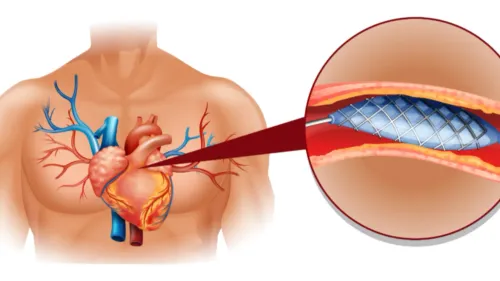
The primary objective of bypass surgery is to restore healthy blood flow around blocked coronary arteries. During beating heart surgery, healthy blood vessels, typically taken from the leg, chest, or arm, are grafted to bypass narrowed or blocked arteries.
Because the heart continues beating throughout the operation, the body's natural circulation remains active. Advanced surgical instruments stabilize only the portion of the heart being operated on, allowing the rest of the heart to function normally.
The procedure requires extensive surgical expertise and careful planning, making the experience and skill of the cardiothoracic surgical team especially important.
Who May Benefit from This Procedure
Beating heart bypass surgery may be considered for patients with:
- Multiple coronary artery blockages
- Diabetes along with coronary artery disease
- Reduced heart function
- Kidney-related health concerns
- Advanced age
- Increased risk of complications from conventional bypass surgery
Not every patient is a candidate for this technique. Comprehensive cardiac evaluation, including angiography, echocardiography, blood investigations, and other diagnostic tests, helps determine the most appropriate treatment plan.
Advantages of Beating Heart Bypass Surgery
Several clinical benefits have made this technique increasingly popular in advanced cardiac centres.
Reduced Risk of Certain Complications
Since the heart-lung machine may not be required, some patients experience a lower risk of complications related to artificial circulation.
Faster Recovery
Many patients recover more comfortably after surgery and are able to resume daily activities earlier under proper medical supervision.
Less Blood Loss
The surgical technique may reduce bleeding during the operation, lowering the likelihood of blood transfusions in suitable cases.
Better for High-Risk Patients
Individuals with diabetes, kidney disease, or advanced age often benefit from treatment plans that minimize additional stress on the body whenever clinically appropriate.
Shorter Hospital Stay
Although recovery varies from patient to patient, many individuals experience a smoother postoperative course and may be discharged earlier after careful assessment.
Recovery After Surgery
Recovery does not end when the operation is completed. A structured rehabilitation plan plays an essential role in long-term heart health.
Patients are generally encouraged to:
- Walk gradually as advised by the medical team.
- Follow prescribed medications regularly.
- Maintain a heart-healthy diet.
- Control diabetes, blood pressure, and cholesterol.
- Attend scheduled follow-up appointments.
- Participate in cardiac rehabilitation if recommended.
Most patients notice gradual improvement in energy levels over the weeks following surgery. Complete recovery depends on age, existing medical conditions, and adherence to medical advice.
Choosing the Right Cardiac Surgery Centre
Successful outcomes depend on several factors beyond the surgical procedure itself. Patients should consider hospitals that offer:
- Experienced cardiothoracic surgeons
- Advanced operation theatres
- Modern cardiac imaging facilities
- Dedicated cardiac intensive care units
- Skilled anaesthesia and nursing teams
- Comprehensive rehabilitation support
Having all these services under one roof allows patients and families to receive coordinated care throughout diagnosis, surgery, and recovery.
Cardiac Care in Nagpur
Nagpur has emerged as a significant healthcare destination in Maharashtra, offering advanced cardiac treatment for patients from nearby cities and districts. Modern hospitals now provide sophisticated surgical techniques that were once available only in larger metropolitan centres.
Dr K G Deshpande Memorial Centre is among the institutions contributing to advanced cardiac care in the region through specialized cardiology and cardiothoracic services. Patients seeking information about beating heart bypass surgery can benefit from a detailed consultation, where specialists evaluate individual medical conditions and explain available treatment options based on clinical findings.
Understanding the procedure, expected recovery, and long-term lifestyle changes helps patients approach heart surgery with greater confidence. With timely diagnosis, experienced surgical care, and consistent follow-up, beating heart bypass surgery continues to offer many individuals the opportunity to regain heart function and improve their overall quality of life.
Keywords