When coronary artery disease reaches a stage where medication or angioplasty may no longer provide adequate results, coronary artery bypass grafting (CABG) often becomes the recommended treatment. In recent years, advancements in cardiac surgery have introduced MICS CABG (Minimally Invasive Cardiac Surgery Coronary Artery Bypass Grafting), offering selected patients an alternative to conventional open-heart surgery. For people in Nagpur and across Maharashtra, understanding this modern surgical option can help them make informed decisions about their heart health.
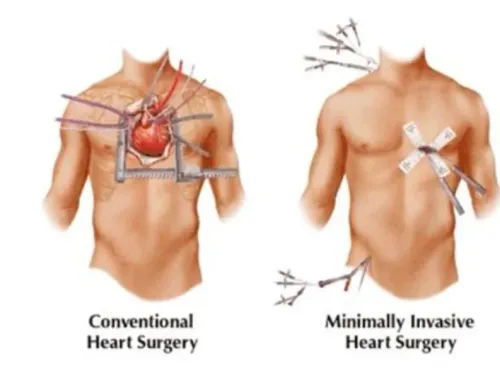
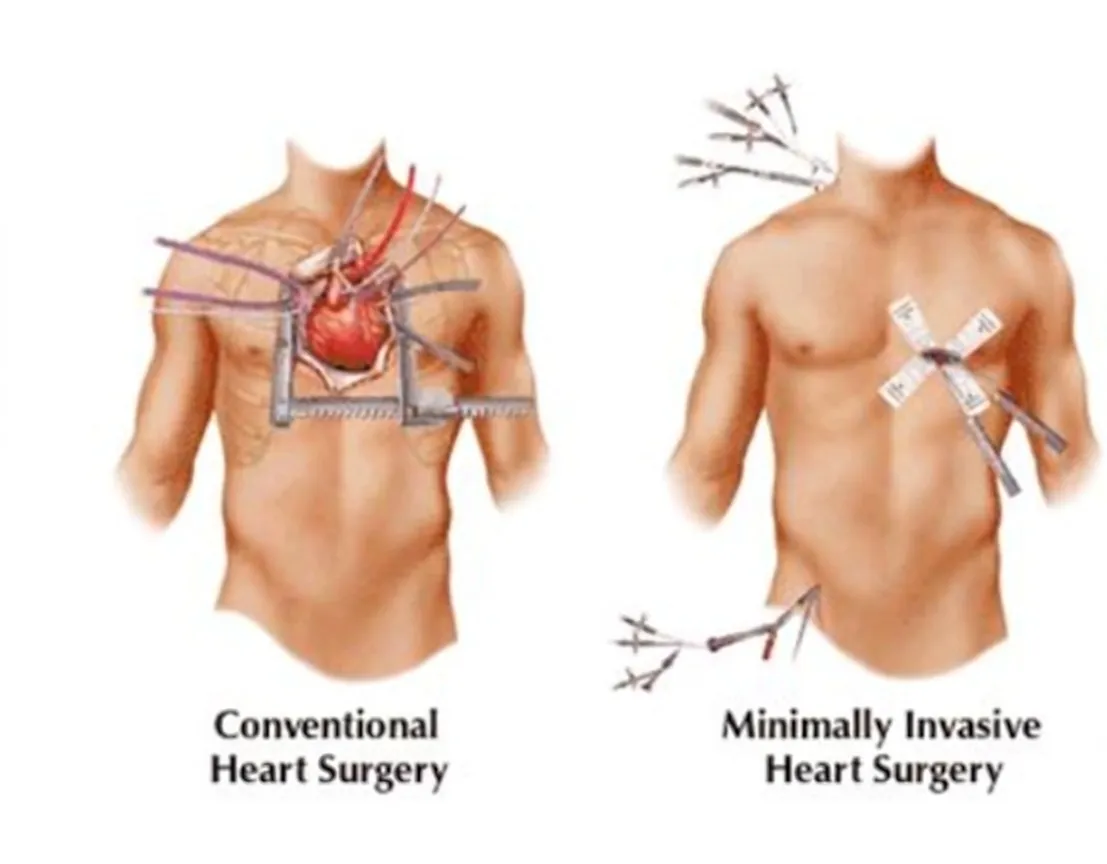
Unlike traditional bypass surgery, which usually requires a long incision through the breastbone, MICS CABG is performed through a much smaller incision between the ribs. This allows surgeons to access the heart without dividing the sternum, making the procedure less invasive while still effectively restoring blood flow to blocked coronary arteries.
Not every patient is a suitable candidate for minimally invasive bypass surgery. A thorough evaluation by a cardiothoracic surgeon is essential to determine whether this technique is appropriate based on the number of blocked arteries, their location, overall heart function, and the patient's medical history.
What Is MICS CABG Surgery?
MICS CABG is an advanced surgical procedure designed to bypass blocked coronary arteries through a small incision on the left side of the chest. Using specialized instruments and advanced imaging techniques, surgeons perform the bypass without the large opening required in conventional surgery.
The primary objective remains the same as traditional CABG improving blood supply to the heart muscle by creating new pathways around blocked arteries. However, the minimally invasive approach aims to reduce surgical trauma while maintaining excellent clinical outcomes for carefully selected patients.
This procedure requires highly trained cardiac surgeons, modern operation theatres, and advanced perioperative support to ensure patient safety throughout the surgery.
Benefits of a Smaller Incision
One of the most noticeable differences between MICS CABG and conventional bypass surgery is the surgical access. A smaller incision can offer several potential advantages.
Reduced Surgical Trauma
Since the breastbone is not divided, there is generally less disruption to surrounding tissues. This may contribute to a smoother recovery for suitable patients.
Faster Recovery Time
Many patients are able to return to their daily routines earlier compared to conventional bypass surgery, although recovery varies depending on individual health conditions.
Lower Risk of Infection
Smaller incisions may reduce the risk of wound-related complications, particularly for patients with diabetes or other conditions that affect healing.
Less Postoperative Pain
Patients often report improved comfort during recovery because the surgical approach avoids splitting the sternum.
Better Cosmetic Outcome
The smaller incision usually results in a less noticeable scar, which some patients appreciate after recovery.
Who May Be Eligible?
MICS CABG is not intended for every individual with coronary artery disease. Surgeons evaluate several factors before recommending this procedure.
Patients who may be considered include those with:
- Single or selected multiple coronary artery blockages
- Stable heart function
- Suitable coronary artery anatomy
- No major structural abnormalities requiring complex open-heart procedures
A complete cardiac assessment may include coronary angiography, echocardiography, CT imaging, blood investigations, and consultations with a multidisciplinary cardiac team.
Preparing for Surgery
Preparation begins well before the operation. Patients are advised about medications, dietary guidelines, and preoperative investigations to ensure the safest possible outcome.
Some important preparation steps include:
- Following medication instructions carefully
- Controlling diabetes and blood pressure
- Stopping smoking if applicable
- Completing all recommended diagnostic tests
- Discussing previous surgeries or existing medical conditions with the surgical team
Being well prepared helps reduce potential risks and supports a smoother recovery.
Recovery and Rehabilitation
Although MICS CABG is less invasive, recovery still requires patience and commitment. Most patients gradually regain strength over several weeks with proper medical guidance.
Recovery typically includes:
- Early supervised walking
- Breathing exercises
- Pain management
- Heart-healthy nutrition
- Cardiac rehabilitation programmes
- Regular follow-up visits
Lifestyle modifications remain essential after surgery. Managing cholesterol, maintaining a healthy weight, staying physically active, and taking prescribed medications all contribute to long-term success.
Choosing an Advanced Cardiac Surgery Hospital
The success of minimally invasive cardiac procedures depends not only on the technology but also on the expertise of the surgical team. Patients should look for hospitals that provide:
- Experienced cardiothoracic and vascular surgeons
- Modern cardiac operating theatres
- Advanced imaging and diagnostic facilities
- Dedicated cardiac intensive care units
- Comprehensive rehabilitation services
- Multidisciplinary support from cardiologists, anaesthetists, and critical care specialists
These factors work together to deliver safe and effective cardiac care throughout every stage of treatment.
Advanced Cardiac Care in Nagpur
Healthcare infrastructure in Nagpur has grown significantly, making advanced cardiac procedures more accessible for patients throughout Maharashtra. Hospitals with specialised cardiac departments now offer sophisticated treatment options that help patients receive high-quality care closer to home.
Dr K G Deshpande Memorial Centre provides comprehensive cardiac services supported by experienced specialists and modern surgical infrastructure. Patients exploring minimally invasive coronary bypass options can undergo a detailed evaluation to determine the most appropriate treatment based on their individual condition.
MICS CABG represents an important advancement in cardiac surgery for carefully selected patients. With expert surgical planning, advanced technology, and structured postoperative care, this minimally invasive approach continues to improve recovery experiences while maintaining the primary goal of restoring healthy blood flow to the heart.
Keywords